Many people complete their first aid training once and assume they are prepared for emergencies for life. But the reality is very different. First aid knowledge fades quickly, techniques update often, and confidence can decline without regular practice. This is why refresher training has become an essential part of staying emergency-ready. Whether you have completed a first aid course Brisbane recently or years ago, revisiting and strengthening your skills is one of the most responsible steps you can take.
Modern first aid is more than a checklist of actions. It requires calm decision-making, familiarity with the latest guidelines, and the ability to keep composure under pressure. These abilities improve significantly when people refresh their training regularly rather than relying on memory that may no longer be accurate.
Skills Fade Faster Than Most People Expect
One of the major reasons refresher training is so crucial is that first aid skills decline over time. Studies consistently show that even highly trained individuals forget key steps in CPR, bandaging, and emergency assessment within months of their last course. Without repetition, muscle memory weakens, reaction times slow, and the risk of hesitation in real emergencies increases.
When dealing with a life-threatening situation, hesitation can cost valuable seconds. Refresher courses reinforce core techniques, rebuild confidence, and ensure that actions become automatic again. This is especially important for high-stakes skills like chest compressions, where accuracy and speed make a significant difference.
Guidelines and Emergency Procedures Change Over Time
First aid practices are not static. Each year, new research leads to updated recommendations on CPR depth, AED usage, bleeding control methods, shock management, and more. If you completed first aid Brisbane training years ago, your knowledge may be outdated without you even realising it.
Refresher training ensures you stay aligned with current national and international safety standards. These updated courses review new techniques, revised protocols, and improved lifesaving procedures. Understanding these changes prepares you to respond more effectively and confidently.
Confidence Builds Through Repetition
Knowing what to do is different from being able to do it in a high-pressure moment. One of the biggest benefits of refresher training is rebuilding confidence in your ability to help. Over time, even the most motivated learners can become unsure of their actions. A refresher course replaces uncertainty with clarity.
Regular practice familiarises you with key skills such as checking responsiveness, assessing breathing, administering CPR, using an AED, and treating common injuries. It boosts your readiness to step forward instead of stepping back.
Practical Hands-On Training Strengthens Muscle Memory
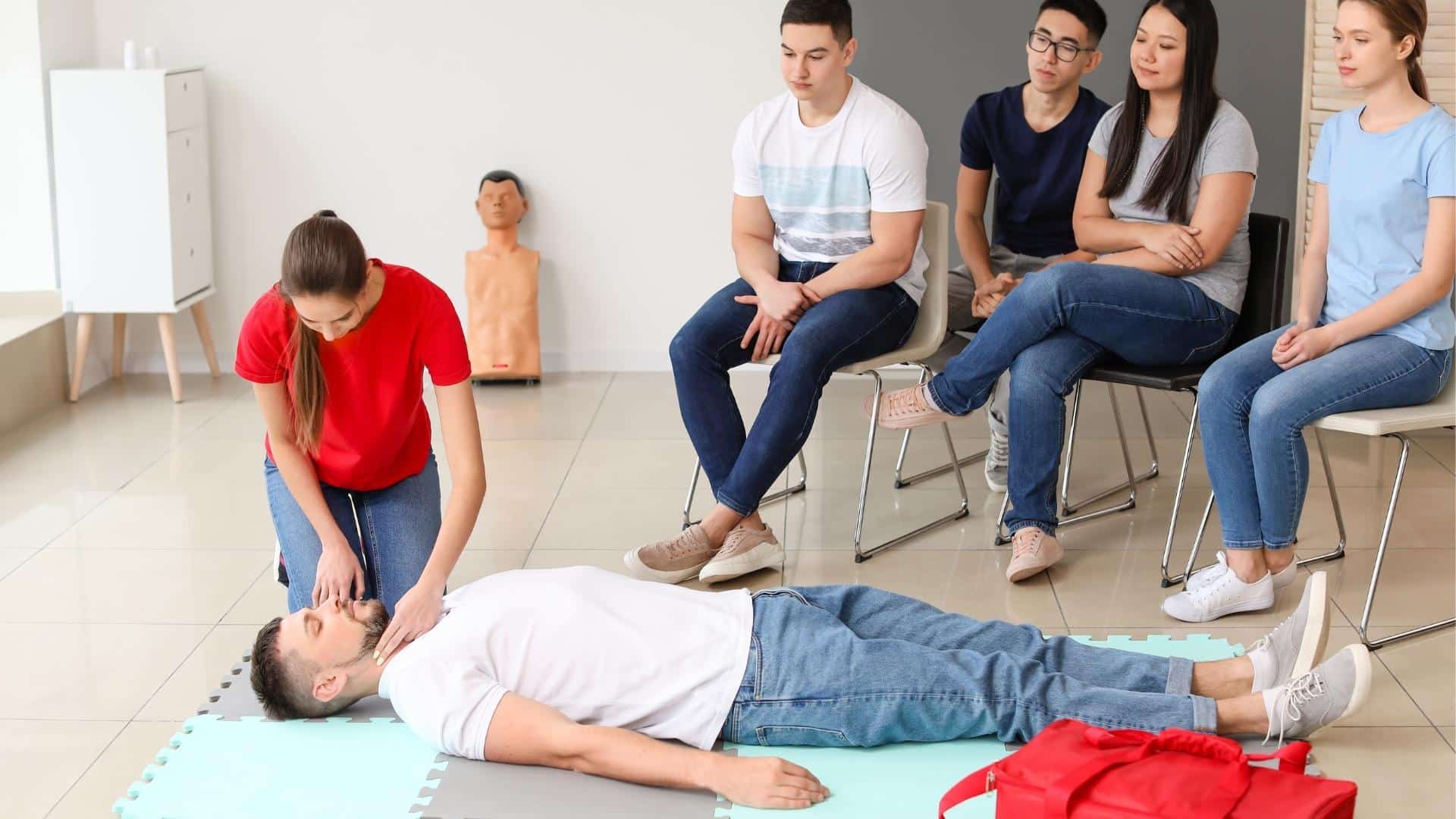
First aid requires physical action. Recalling information mentally is not the same as performing it correctly. Refresher courses provide hands-on practice with manikins, training equipment, and guided scenario-based exercises. This helps embed muscle memory and improves your ability to act quickly and correctly.
Many people searching for first aid classes near me are surprised by how much they benefit from re-practising procedures they once thought they remembered well. The hands-on aspect of refresher training is what creates reliable long-term skill retention.
Workplaces and Industries Expect Updated Certification
For many professions, staying certified is a requirement rather than an option. Industries such as childcare, healthcare, construction, hospitality, and community services all expect workers to maintain current training. Outdated certification can create compliance problems, safety concerns, and liability risks.
Refresher courses ensure that your certification remains valid, recognised, and accepted by employers and regulatory bodies. They also demonstrate your commitment to maintaining a safe and responsible work environment.
A Safer Community Begins with Prepared Individuals
Emergency readiness is not just a personal benefit—it strengthens communities. When more people maintain up-to-date first aid knowledge, there are more capable responders available in homes, workplaces, and public places. This collective preparedness helps protect families, colleagues, and strangers in times of need.
Final Thoughts
Refresher training is not just a recommendation; it is a vital part of staying effective in emergencies. It keeps your knowledge accurate, your skills sharp, and your confidence strong. Whether you trained recently or long ago, taking the time to update your first aid education is an investment in safety, preparedness, and peace of mind.